
The Ultimate Fighting Championship (UFC) is a constantly evolving spectacle, and so is the world of wagering on it. Gone are the days when simple moneyline bets were the only game in town. Now, the savvy bettor can delve into a dizzying array of prop bets, wagering on everything from takedown attempts to total strikes landed. Among these increasingly specific props, one area offers a unique avenue for informed betting: leg kicks.
While many casual fans focus on the knockout power of fists and the grappling intricacies on the ground, the strategic importance of leg kicks can often be overlooked. Leg kicks, however, play a vital role in dictating the pace of a fight, compromising an opponent’s mobility, and setting up other strikes. Recognizing the potential of leg kicks and incorporating them in prop bets is an advanced move.
I remember one particular fight a while back. The underdog, a striker known for his powerful leg kicks, was given little chance against a seasoned wrestler. However, I saw in his previous fights how the amount and the accuracy of his leg kicks diminished his opponents. I placed an over bet on his landed-leg-kick prop, and it paid off handsomely as he chopped down his opponent and secured a late TKO. This is just one example of how focusing on leg kicks can unlock hidden value in UFC prop betting market.
What are Leg Kick Props?
Leg kick props are a specialized type of UFC prop bet that focuses on predicting the number and effectiveness of leg kicks landed during a mixed martial arts (MMA) fight. Unlike traditional moneyline bets (picking the outright winner) or over/under bets (predicting the total rounds), leg kick props delve into the technical aspects of the fight. These bets have gained popularity due to their unique challenge and the increasing availability of such MMA betting options on various platforms.
Several variations of leg kick props exist, including:
- Over/Under Total Leg Kicks Landed: Betting on whether the total number of leg kicks landed by both fighters will be over or under a specified number.
- Most Leg Kicks Landed by Fighter A/B: Predicting which fighter will land the most leg kicks during the bout.
- Leg Kicks as Part of Method of Victory: Wagering on whether a fighter will win by knockout or technical knockout (TKO) with leg kicks contributing significantly to the finishing sequence.
To illustrate the impact of leg kicks, consider a recent fight where one competitor strategically utilized persistent leg kicks to wear down their opponent’s mobility and balance, ultimately leading to a TKO victory in the later rounds. Had you knew this, you could predict with a combination of over/under and method of victory. This is why being able to predict the use of leg kicks is a very useful tool, and why MMA prop bets can be so interesting as opposed to simply betting on the outright winner.
Types of Leg Kick Props
The rise of leg kick markets has opened up diverse MMA betting options. Besides the ‘Over/Under’ and ‘Fighter Specific’ leg kick props mentioned earlier, there are even more granular options. You can find bets on what percentage of a fighter’s total strikes were leg kicks, thus gauging how reliant a fighter is on this tactic. It’s also possible to bet on very specific outcomes, such as if a fighter wins via TKO with leg kicks involved in the finishing sequence. All of these options add layers of depth to the average fight analysis process.
Why Leg Kicks?
Leg kicks have emerged as a critical component of MMA strategy. A well-placed leg kick can hinder an opponent’s movement, diminish their power, and even lead to a stoppage. A fighter’s mobility can be limited by a great amount if a fight goes into the later rounds, and those kicks start to add up. For those interested in fight prediction, understanding leg kick strategy provides valuable insight. Being able to predict when and how a fighter will utilize this weapon has become an indispensable tool in the modern MMA landscape, opening a whole new world to fight analysis, and of course, to leg kick betting.
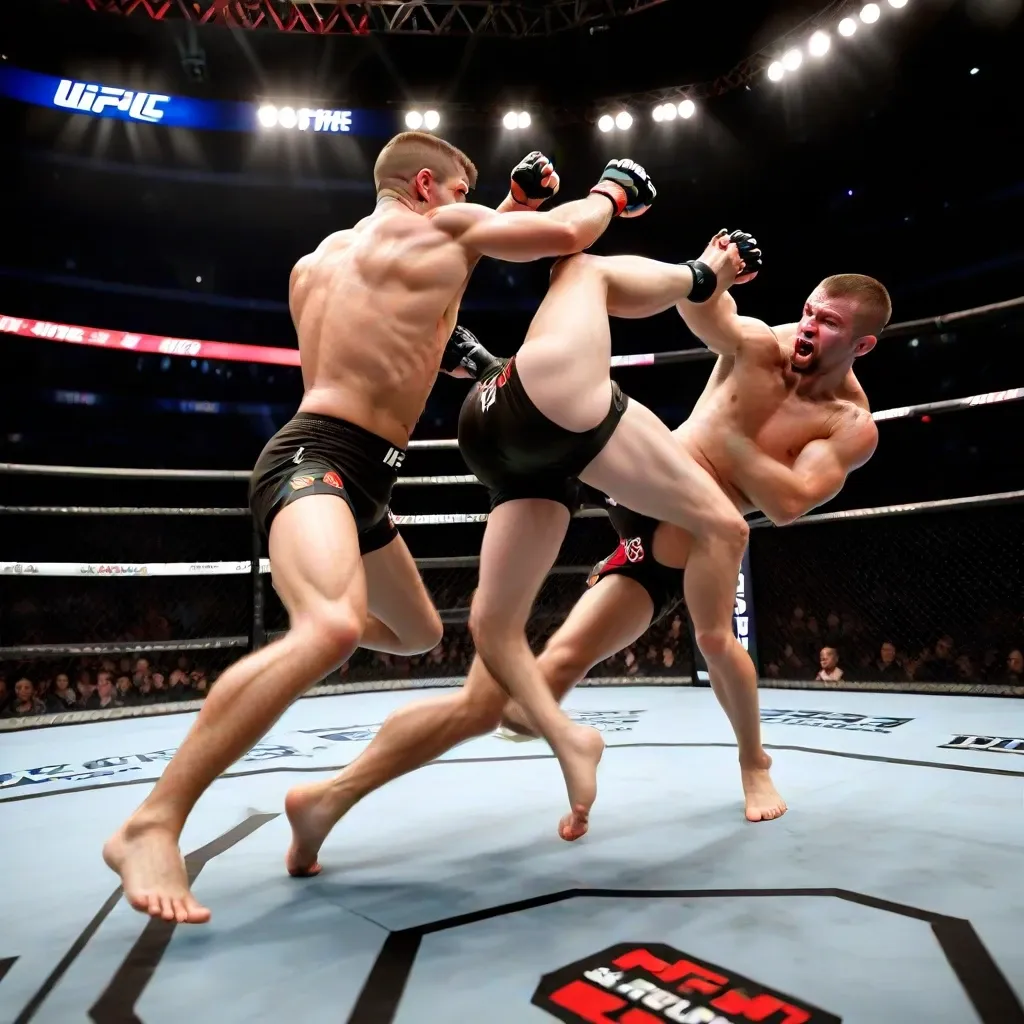
Analyzing Fighters for Leg Kick Potential
Figuring out which fighters are likely to chop down their opponents with brutal leg kicks is a bit of an art, mixed with a healthy dose of fight-nerd observation. It’s not just about seeing who throws the most kicks; it’s about understanding their style, tendencies, and vulnerabilities. This is where fighter analysis comes in. Begin with their fight history, identifying patterns in their striking, and then deep-dive into their observational skills to truly understand their capabilities.
When analyzing fight footage, there are specific things to zone in on. Start with their stance. Are they squared up, or do they favor one leg? What’s their preferred striking range? How do they react when pressured? These are clues. Analyzing these details helps to understand how open they might be to eat a well-placed leg kick. And it is not enough to watch one fight. You need to scope out several to see if patterns emerge. This is where you find the gold – consistent habits that reveal a fighter’s true leg kick DNA.
Inside vs. Outside Leg Kicks: What to Look For
Leg kicks aren’t just leg kicks; there are different flavors, each with its own strategic purpose. Inside leg kicks can disrupt an opponent’s movement and stability, while outside leg kicks target the larger muscles, causing more debilitating damage. Calf kicks have become extremely popular recently, because fighters realized, that attacking this area can pay off very well. Also consider the striking range that fighters prefer. A fighter who likes to stay at a distance may favor outside leg kicks, while someone who likes to get in close might use inside leg kicks to create space or disrupt their opponent’s balance.
Stance and Footwork as Indicators
A fighter’s stance and footwork are like a flashing neon sign pointing to their leg kick potential. A wider stance, for example, can make a fighter more vulnerable to leg kicks because their weight is more evenly distributed, making it harder to check or move out of the way. Also, pay attention to how fighters move. Do they shuffle their feet, or do they take more deliberate steps? Fighters who tend to plant their feet are often easier targets for leg kicks.
Finding Value in Leg Kick Prop Bets
Unlocking profitability in MMA betting requires a keen eye for detail, and leg kick prop bets are no exception. The key is identifying discrepancies between the implied probability of a leg kick occurring, as reflected in the MMA betting odds, and your own assessment. This pursuit of “value betting” hinges on understanding how to interpret odds, recognize line movement, and develop a strategic approach to prop bet analysis.
Comparing Odds Across Sportsbooks
Line shopping, the practice of comparing betting odds across different sportsbooks, is not just a suggestion; it’s a necessity for securing valuable profits. Different sportsbooks may have varying opinions on a fighter’s propensity to utilize leg kicks, leading to discrepancies in the offered odds. By meticulously surveying the landscape, you can pinpoint the most favorable prices and maximize your potential return. Small differences in odds can compound over time, transforming a marginal strategy into a consistently profitable one.
When to Bet: Timing is Key
The optimal time to place your leg kick prop bet can significantly impact its value. Monitoring betting trends and understanding the dynamics of betting windows is crucial. Reacting swiftly to breaking news, such as late injury reports revealing a compromised opponent, can create fleeting opportunities. If a fighter known for their mobility suddenly faces an opponent with a leg injury, the probability of them utilizing leg kicks to exploit that weakness increases dramatically. Being among the first to capitalize on such reactionary opportunities can yield significant advantages.

Common Mistakes and How to Avoid Them
Betting on leg kick props in MMA can be exciting, but it’s easy to fall into common traps that can drain your bankroll. Many bettors get tripped up by fixating on the wrong data or overlooking crucial fighter-specific details. Avoiding these pitfalls requires a blend of sharp analysis, discipline, and a healthy dose of realism. One of the best strategies is to keep a detailed record of your bets. Note the fighters, the specific props, your reasoning, and the outcome. Over time, this log becomes a valuable tool for identifying patterns in your decision-making and highlighting areas where you consistently make mistakes. Risk management is also critical. Never bet more than you can afford to lose, and avoid chasing losses with increasingly large wagers. A well-defined betting budget and adherence to a staking plan can prevent emotional decisions that often lead to significant losses. It’s about making informed decisions, managing your bankroll wisely, and learning from both your wins and losses. This approach transforms betting from a gamble into a calculated investment.
Over-Reliance on Stats
It’s tempting to dive headfirst into the data, poring over statistics like significant strikes landed or leg kick frequency. While stats provide a baseline, they don’t tell the whole story. A fighter might have impressive leg kick numbers, but that doesn’t automatically make it a reliable betting angle. The key is understanding why those stats exist. For example, a fighter may have faced opponents with poor takedown defense, allowing them to tee off with leg kicks without fear of being taken down. Or, those stats might be from fights that happened years ago, and the fighter’s style has evolved since then. Always consider the context behind the numbers and assess whether past performance is a reliable indicator of future strategy.
Ignoring Injury History
A fighter’s physical well-being is paramount, and neglecting their injury history is a major oversight. Past injuries, especially those affecting the legs or knees, can severely impact a fighter’s ability to execute and absorb leg kicks. An old knee injury might make them hesitant to check kicks properly, leaving them vulnerable. Actively seek out information about past injuries, surgeries, and any lingering issues. Social media, interviews, and fight forums can offer valuable insights into a fighter’s current condition. Recognizing a fighter’s vulnerability due to injury can provide a strategic edge in betting on leg kick props. If a fighter has a history of knee problems, betting on their opponent to land a certain number of leg kicks might be a shrewd move.
Advanced Strategies for Leg Kick Props
To elevate your leg kick prop betting game, it’s essential to delve into advanced techniques like game theory and fight dynamic modeling. These strategies move beyond surface-level analysis, offering a deeper understanding of fighter behavior and fight progression. You’ll learn to anticipate strategic decisions made in the ring to exploit opportunities in leg kick prop bets. Gain an edge by strategically analyzing fighters and the tempo using resources that will upgrade your betting outcome.
Game Theory in UFC Betting
Game theory provides a framework for understanding the strategic interactions between fighters. By analyzing a fighter’s tendencies, strengths, and weaknesses, you can anticipate their likely actions in the octagon. This involves considering factors such as their past performances, fighting style, and opponent matchups. Identifying predictable patterns allows you to anticipate when a fighter is more or less likely to utilize leg kicks, creating potential betting opportunities. Exploit your opponent by discovering their weakness and strengths. Every bit of this knowledge will give you more advantages to your game.
Dynamic Fight Modelling
Dynamic fight modeling involves creating simulations or models that predict the likely tempo and striking exchanges within a fight. These models consider factors such as fighter styles, cardio, reach, and historical data to project the potential course of a match. By simulating various scenarios, you can estimate the frequency of leg kicks and identify favorable betting opportunities. This type of analysis helps in understanding the flow of the battle and the likely times that each fighter may throw certain leg kicks. Use fight models simulate aspects of the match and predict the outcome.
Conclusion
In conclusion, leg kick prop bets represent an intriguing, often overlooked facet of UFC betting. They offer a unique opportunity to leverage fight analysis and gain an edge over conventional wagers. By meticulously studying fighter tendencies, striking techniques, and defensive vulnerabilities, bettors can uncover valuable insights that translate into profitable predictions.
The beauty of leg kick props lies in their ability to reward in-depth knowledge of the sport. It’s not merely about predicting who will win, but how they will strategically dismantle their opponent. Remember, successful leg kick prop betting hinges on a blend of technical understanding and calculated risk-taking.
Now armed with expert advice, explore the exciting world of leg kick prop bets. Analyze upcoming fights, identify opportune situations, and test your strategies. Share your experiences and insights with fellow MMA enthusiasts, and remember, continuous learning is the key to long-term success in the dynamic landscape of UFC betting. Embrace the challenge, refine your approach, and discover the hidden potential within every well-placed leg kick.